SaveClip
← China Travel Guide

Hangzhou

HGH · Hangzhou Xiaoshan International Airport

Cheapest fares to Hangzhou

📅 Cheapest by month — Cheapest month: May 2026 ¥42,955〜
2026-05
¥42,955
Search my dates →

Prices are cached samples from Travelpayouts and may differ from live search. Click the button above to find current fares for your dates.

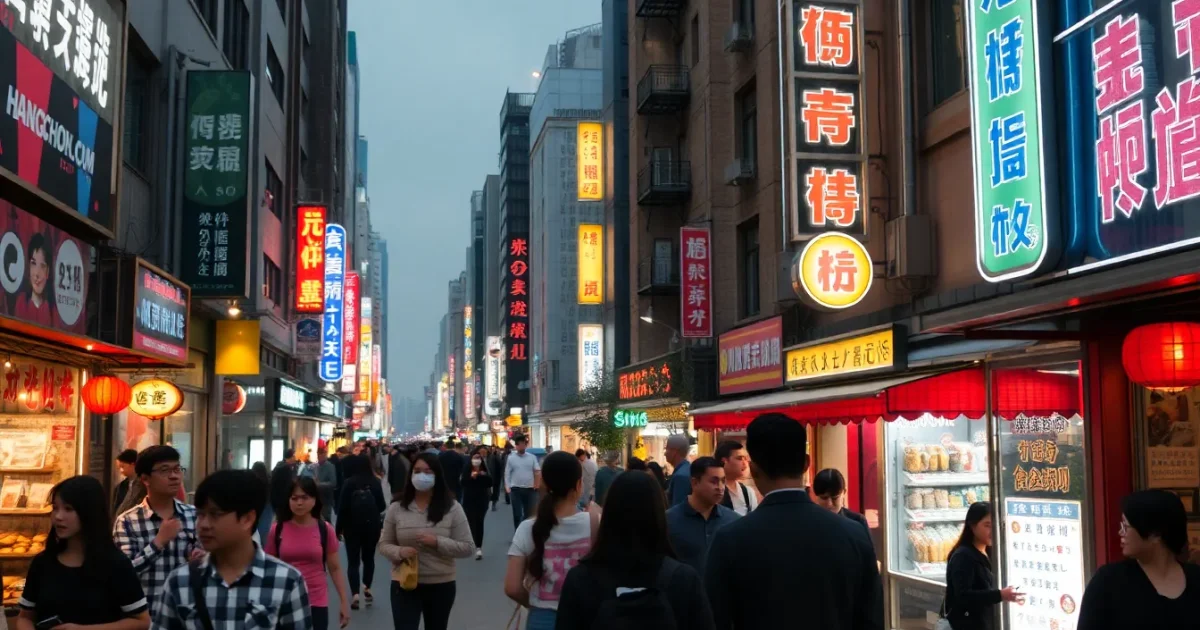
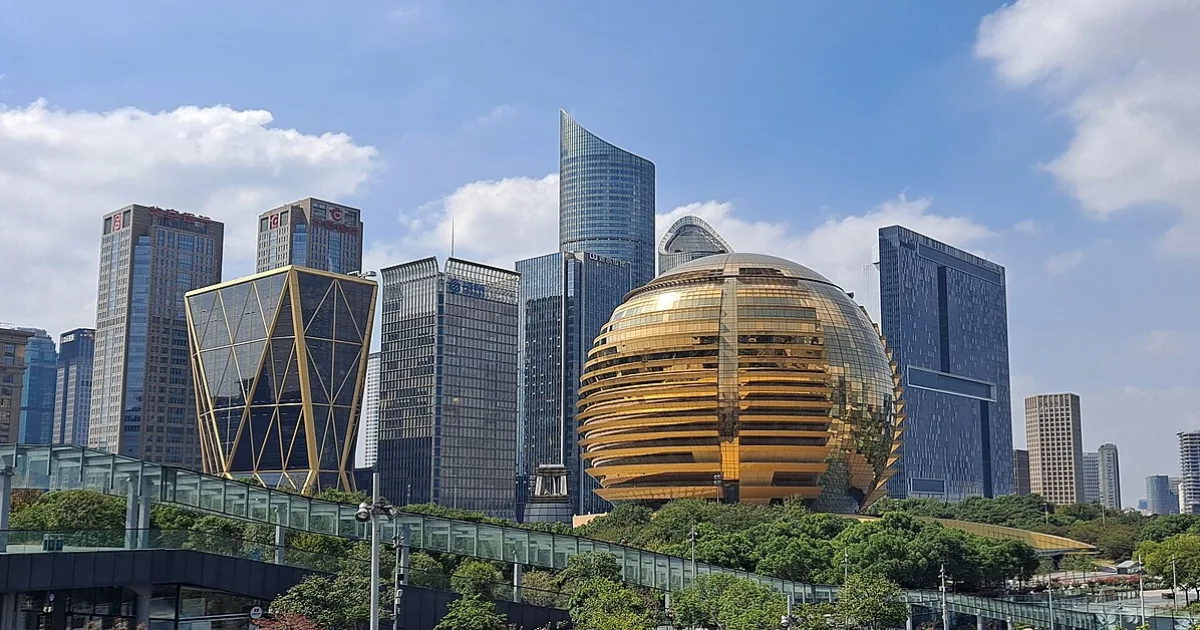
Hangzhou is a prosperous, tech-forward city of 12 million on China's east coast, famous for being home to Alibaba and for the aesthetic West Lake. It is genuinely pleasant to walk around, relatively orderly, and far less overwhelming than Shanghai—but it is not a hidden gem, and it functions entirely within China's digital and regulatory framework.

When to Visit

Hangzhou's best seasons are autumn (September through November) and spring (March through May), when temperatures sit between 10–25°C and humidity is manageable. Winter brings fog that can obscure West Lake for days; summer is hot, humid, and crowded with domestic tourists. October and early November offer the most reliable weather. Avoid the week around Chinese New Year (late January or February) and National Day (early October) unless you like enormous crowds and inflated prices.

Getting There

Hangzhou Xiaoshan International Airport (HGH) sits 27 kilometers southeast of the city center and is served by direct flights from Tokyo, Seoul, Hong Kong, Bangkok, Singapore, and several other major Asian hubs. European and North American travelers typically connect through these cities; direct flights from London, Paris, and New York do not exist. The airport is modern and efficient. Trains connect HGH to Hangzhou Station (about 45 minutes); a metro line (Line 1) also runs from the airport. Airport taxis are metered and reliable, though the Didi ride-hailing app is faster and cheaper if you have it installed before arrival.

What the City Is Known For

West Lake dominates Hangzhou's identity—a 6-square-kilometer freshwater lake in the city center ringed by walking paths, temples, and gardens. It is genuinely photogenic, but it is also packed with visitors, especially at sunset. The lake's south bank (around Nanshan Road) and early morning walks offer quieter experiences.

Alibaba's headquarters in Xixi, the western district, drives much of Hangzhou's recent wealth and construction. The company is not open to tourists, but its presence shapes the city's character as a entrepreneurial, internet-native place.

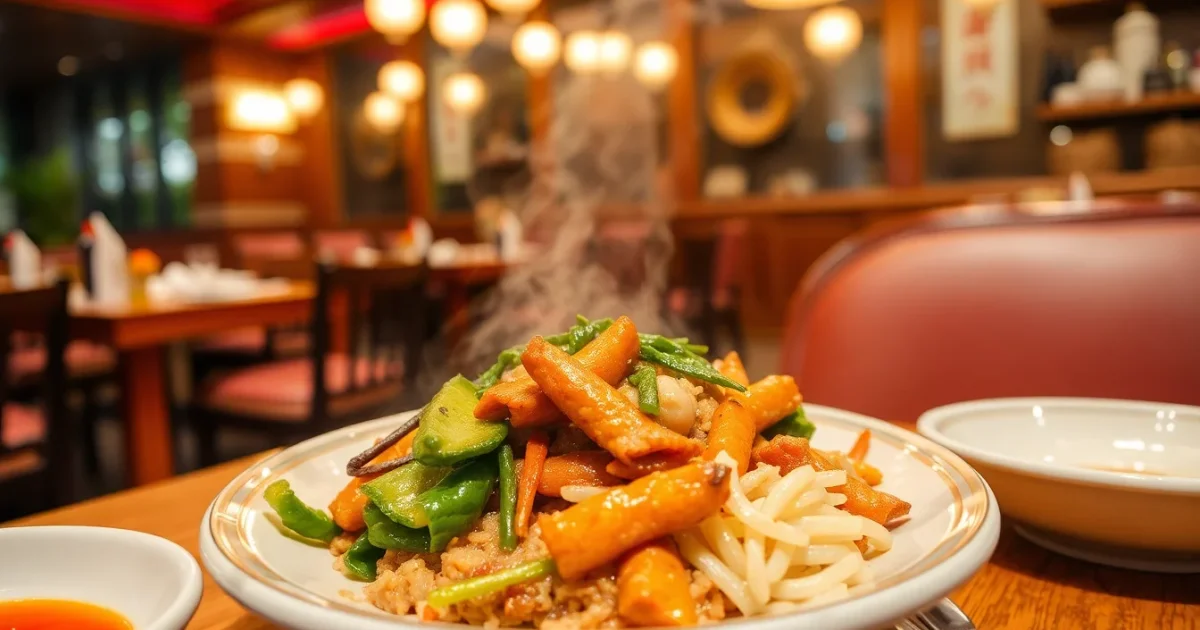
Cuisine matters here. Hangzhou-style dishes include Dongpo pork (a rich braised preparation), longjing shrimp (river shrimp with Dragon Well tea), and fresh river fish. Food stalls and small restaurants cluster around Hefang Street, a restored Ming-era shopping alley near the lake, though many serve tourist-adjusted versions now.

The Lingyin Temple, one of China's major Buddhist temples, sits in forested hills west of the lake. It contains old stone carvings and can be genuinely quiet if you arrive before 9 AM.

Hangzhou is a fashion and textile manufacturing hub—garment wholesale markets operate in the southern districts, and the city supplies fabric and finished goods globally. You can visit fabric markets if you have professional interest; for most tourists, this is background knowledge rather than an attraction.

Practical Tips

Currency is the Chinese yuan (RMB). Cash ATMs exist but are becoming less central to daily life—Alipay and WeChat Pay dominate payments, and most taxis, restaurants, and shops accept them. Foreign credit and debit cards are increasingly accepted at major merchants and some ATMs, but you cannot assume this everywhere. Carry some cash as backup.

Public transport is excellent. The metro system is expanding and clean; buses are cheap and cover the city densely. Taxis use meters and are affordable. The Didi app works like Uber and is usually faster than hailing a cab. Single journeys on metro or bus cost 1–3 RMB.

Internet Reality

This is critical: Google, Facebook, Instagram, WhatsApp, X (Twitter), ChatGPT, and nearly all mainstream Western social media and communication platforms are blocked in China by the Great Firewall. This applies everywhere in China, including Hangzhou. If you need to access these services, you must install a reliable VPN before you arrive—not after. Do not assume you can find or set up a VPN once in country, as VPN access is itself restricted and unpredictable. Set this up in your home country before traveling. Many paid VPN services claim to work in China; research current reviews before paying, as effectiveness changes regularly. Without a VPN, you will not be able to access Gmail, Google Maps (the Chinese equivalent Baidu Maps is less intuitive for foreigners), or contact people via WhatsApp.

One-Line Summary

Hangzhou suits travelers who want a functional, walkable Chinese city without Shanghai's chaos and who have prepared for China's internet restrictions before arrival.

Direct flights from Japan to Hangzhou

From Airline From
KIX Osaka (Kansai) Air China (CA) Search →
KIX Osaka (Kansai) All Nippon Airways (NH)
NRT Tokyo (Narita) Air China (CA) Search →
NRT Tokyo (Narita) All Nippon Airways (NH)
📡

Internet reality in China

Google, Facebook, Instagram, WhatsApp, X, ChatGPT, and most Western news sites are blocked. Set up your VPN and test it BEFORE you fly — installing one inside China is much harder.

Found this useful? Share it