SaveClip
← China Travel Guide

Chongqing

CKG · Chongqing Jiangbei International Airport
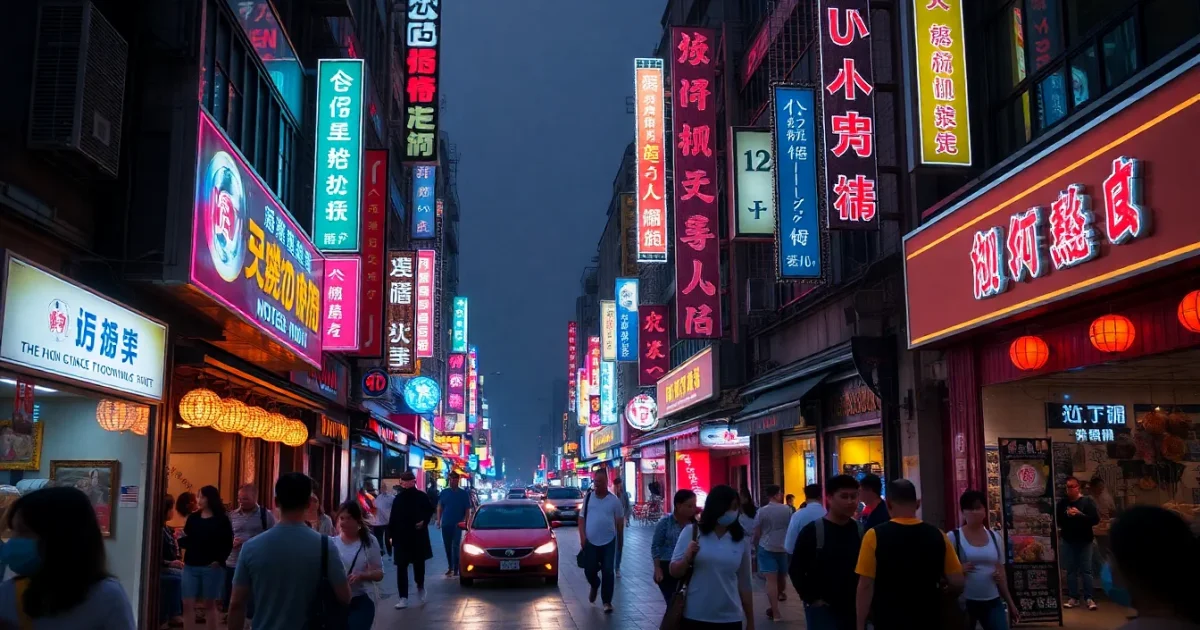
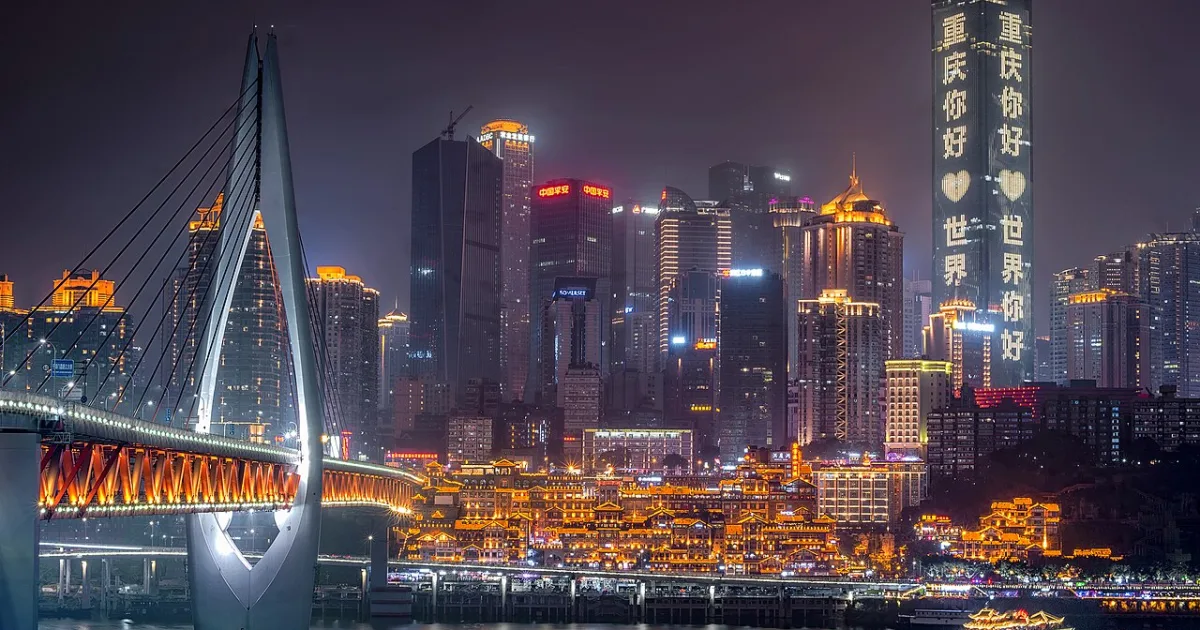
Chongqing is China's largest municipality by population, a sprawling industrial and commercial hub perched on steep hills where the Yangtze and Jialing rivers meet. The city moves fast, operates year-round, and attracts fewer Western tourists than Beijing or Shanghai—which means less English signage but also more genuine local character. It's a place to experience modern urban China away from the polished international zones.

When to visit

Chongqing's climate is humid subtropical with a notorious reputation for heat and fog. Summer (June to September) brings temperatures regularly above 35°C (95°F) with high humidity; locals call it one of China's "three furnaces." Winter (December to February) is mild but notoriously damp and gray—the city sits in a fog belt and you may see little sun for weeks. Spring (March to May) and autumn (October to November) are genuinely pleasant: temperatures in the 15-25°C range, lower humidity, and occasional clear days. October through early November is arguably the best window. Avoid Chinese New Year (late January or February) and the National Holiday week (early October) unless you specifically want to experience crowds; Chongqing fills with domestic tourists during these periods.

Getting there

Chongqing Jiangbei International Airport (airport code CKG) lies about 20 kilometers north of the city center and handles both domestic and international flights. Major Asian carriers operate direct routes from cities including Tokyo, Seoul, Bangkok, Singapore, and Hong Kong. A handful of European and North American cities have seasonal or codeshare connections via hubs. The airport connects to the city center by metro (Line 3), taxi, or ride-hailing apps—the metro journey takes roughly 40 minutes and costs under 10 RMB. Trains from other Chinese cities also serve Chongqing; the high-speed rail network makes it accessible from Shanghai, Beijing, and Chengdu within 4-9 hours.

What the city is known for

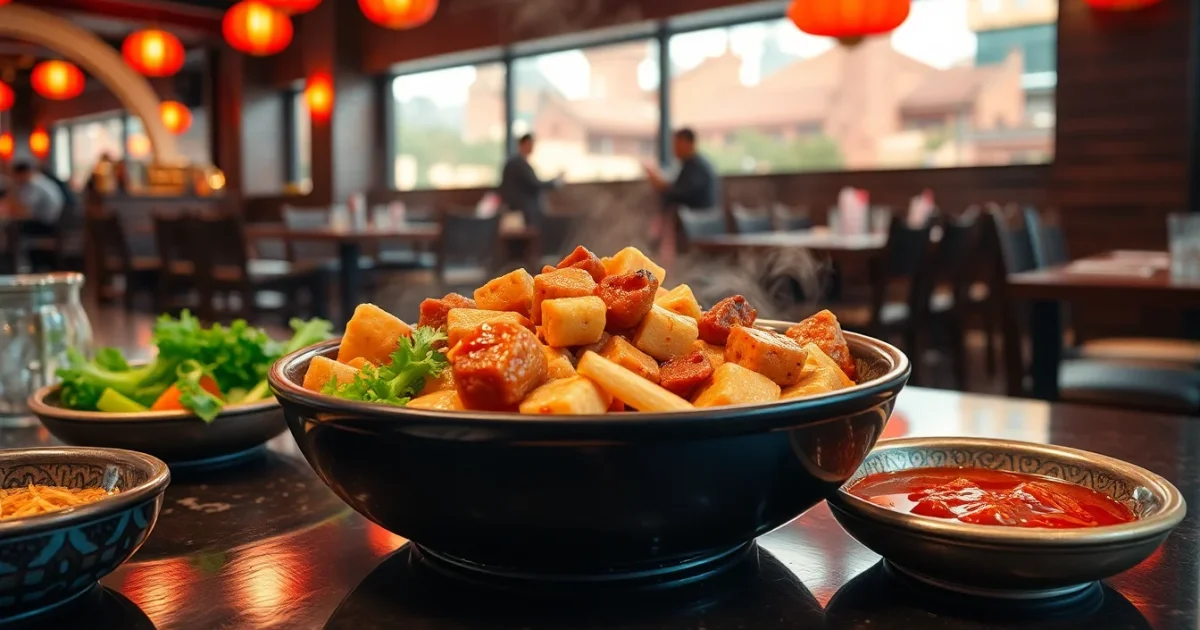
Chongqing's food culture is its most distinctive export. Chongqing hotpot—a bubbling broth loaded with Sichuan peppercorns and chili oil, eaten by fishing from communal pots—defines the local dining experience. Malatang (spicy noodle soup) and la zi ji (chicken shredded and tossed in dried chilies) are equally fierce and omnipresent. The Jiefangbei CBD area represents the modern face of the city: a dense cluster of skyscrapers, shopping malls, and restaurants in the historic commercial district. The Hongya Cave (Hong Ya Dong), a massive entertainment complex built into a riverside cliff, offers views across both rivers and night markets. Chongqing is an industrial powerhouse—automotive manufacturing, chemicals, and electronics drive the economy—and you'll see heavy construction and infrastructure projects throughout. The Three Gorges Dam, one of the world's largest hydroelectric projects, lies roughly 40 kilometers downstream and is accessible by excursion boats; many international visitors base themselves in Chongqing for gorge cruises.

Practical tips

The currency is Chinese yuan (RMB). Chongqing is almost entirely cashless; Alipay and WeChat Pay are universal and integrated into every transaction from taxis to street vendors. Foreign credit cards now work at many ATMs and increasingly at point-of-sale, but carrying a backup card and registering your account before arrival is wise. The metro system is modern, clean, and inexpensive (2-8 RMB per journey depending on distance) and covers most tourist zones and transport hubs. Taxis are cheap and plentiful; Didi (the Chinese ride-hailing app) is faster for booking and requires a Chinese phone number and linked payment method. Download the metro map in advance; station announcements are in Mandarin and English, but navigating connections is easier with a visual reference.

Internet reality

Google, Facebook, Instagram, WhatsApp, X (formerly Twitter), ChatGPT, and the vast majority of Western web services are blocked throughout China by the Great Firewall. This applies uniformly across Chongqing and all mainland cities. Email services like Gmail function inconsistently. If you rely on these services for work or communication, you must arrange a VPN (virtual private network) connection before arriving in China. Research reputable VPN providers outside China and configure your device while still in your home country—setting one up after entering China is significantly harder. Be aware that VPN reliability fluctuates and some providers are occasionally blocked. Many hotels and cafés have WiFi, but it is subject to the same filtering as mobile networks. A local SIM card is cheap and useful for maps, translation, and ride-hailing apps, but it doesn't bypass censorship.

One-line summary

Chongqing rewards travelers who want to eat boldly, navigate without hand-holding, and experience industrial-era urban China on its own terms.
📡

Internet reality in China

Google, Facebook, Instagram, WhatsApp, X, ChatGPT, and most Western news sites are blocked. Set up your VPN and test it BEFORE you fly — installing one inside China is much harder.

Found this useful? Share it