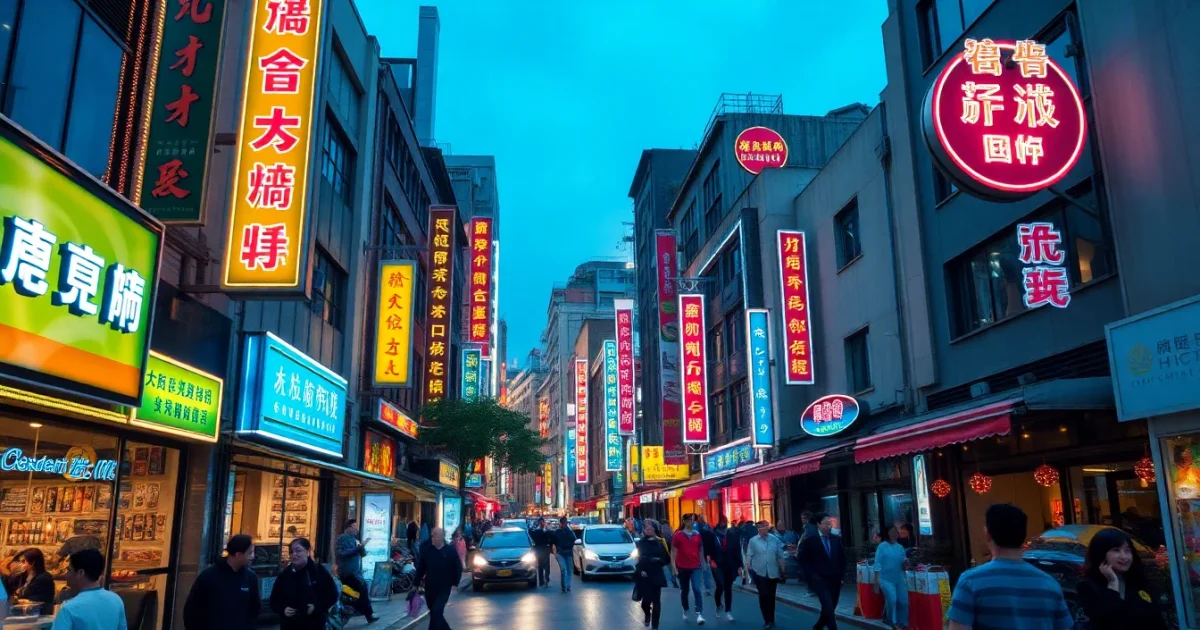
Kunming is a mid-sized Chinese city in Yunnan province that functions as a gateway to Southeast Asia and southwestern China. The city has grown substantially in the last two decades and now serves as a regional hub for business and tourism, though it remains far less internationally recognized than Beijing or Shanghai. Visitors will find a modern city with older neighborhoods still intact, reliable infrastructure, and significantly cheaper costs than eastern China.
When to Visit
Kunming's climate is mild year-round, which locals call "eternal spring." Temperatures range from 5-15°C in winter to 20-30°C in summer, with the wettest season from May through October. The driest and most comfortable months are November through April. Tourist crowds peak during Chinese National Holiday (late September through early October) and Chinese New Year (late January or February). If you prefer smaller crowds and clear skies, visit March through May or September through November.
Getting There
Kunming Changshui International Airport (airport code KMG) sits about 24 kilometers east of the city center. The airport serves the city with direct international connections to Bangkok, Singapore, Hanoi, and other Southeast Asian destinations, plus occasional flights to European cities like Paris and Amsterdam, and North American gateways like San Francisco. Domestic connections exist to most major Chinese cities. Ground transport into the city includes airport buses, the metro system (which extends to the airport), and ride-hailing apps. Flight times from Bangkok are typically 2.5 hours; from Singapore around 4.5 hours.
What the City is Known For
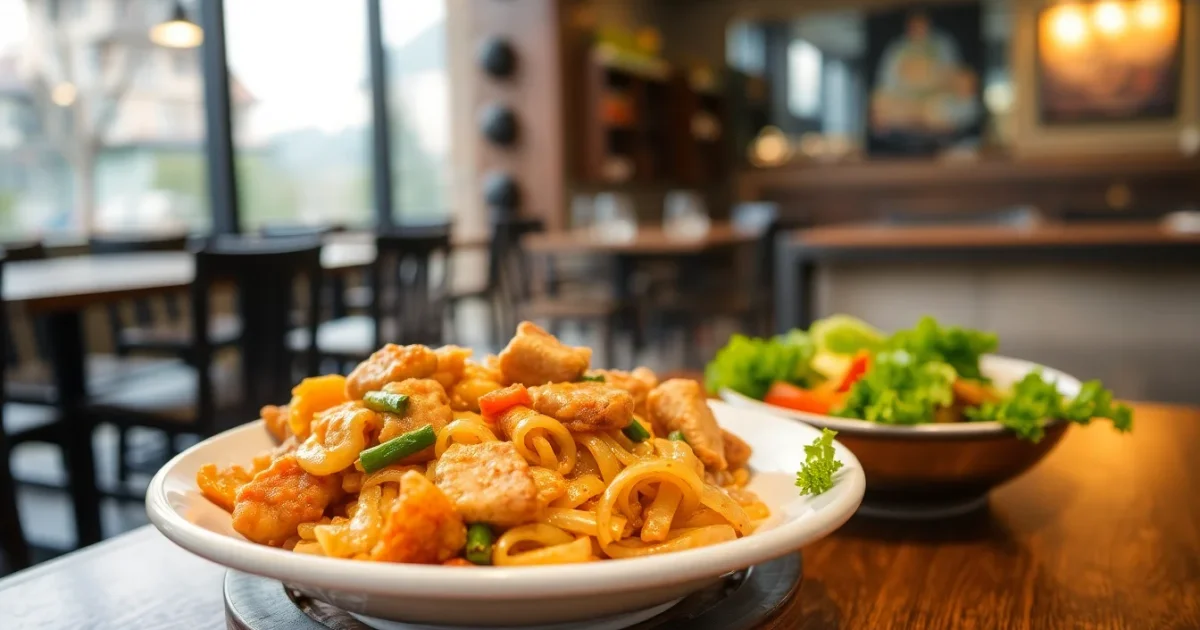
Kunming's Stone Forest (Shilin), located about 90 kilometers southeast, is a UNESCO site featuring dramatic limestone formations that rise from a plateau. The city itself is a major hub for Pu-erh tea production and distribution; the Kunming Tea Market is one of China's largest tea trading centers. The Old Town area around Jingxing Street (景星街) retains traditional wooden architecture and offers a slower pace than the modern downtown. Yunnan Province's ethnic diversity means Kunming restaurants serve dishes from multiple regional cuisines: try crossing-the-bridge noodles (过桥米线), which originated here, and wild mushroom dishes. The city has also become a tech and logistics hub, with companies operating here that most Western travelers will never notice.
Practical Tips
Currency is the Chinese Yuan (RMB). Kunming is heavily cashless; Alipay and WeChat Pay dominate daily transactions. Most foreign credit cards now work at larger establishments and ATMs, but rural areas and smaller shops still require local payment apps or cash. Download Alipay or WeChat Pay before arriving, or prepare to visit a bank to acquire a local account or exchange cash immediately upon landing. Public transport is straightforward: the metro system is clean, efficient, and covers major areas. A single journey costs 2-6 RMB depending on distance. Taxis are reliable and cheap; the Didi ride-hailing app (China's equivalent to Uber) works seamlessly for those with a Chinese payment method linked.
Internet Reality
Before you arrive in Kunming—or anywhere in China—understand that Google, Facebook, Instagram, WhatsApp, X (formerly Twitter), ChatGPT, and most Western websites and services are blocked nationwide by China's Great Firewall. This is not specific to Kunming; it applies across the entire country. You will not be able to access these services on any connection, including hotel or cafe WiFi. Set up a reputable paid VPN service in your home country before traveling. Do not wait until you arrive. Many free VPNs do not work reliably in China. Once you land, your Western device will likely lose access to these services immediately. Inform family and friends that you may be reachable only via WeChat, email (if you use a non-Google provider), or phone calls. This is a fundamental constraint of traveling in China that affects daily life for foreign visitors.
One-Line Summary
Kunming suits travelers who want authentic urban China without the intensity of Beijing, enjoy regional cuisine and tea culture, and are prepared for internet restrictions.
📡
Internet reality in China
Google, Facebook, Instagram, WhatsApp, X, ChatGPT, and most Western news sites are blocked. Set up your VPN and test it BEFORE you fly — installing one inside China is much harder.