SaveClip
← China Travel Guide

Chengdu (Tianfu)

TFU · Chengdu Tianfu International Airport
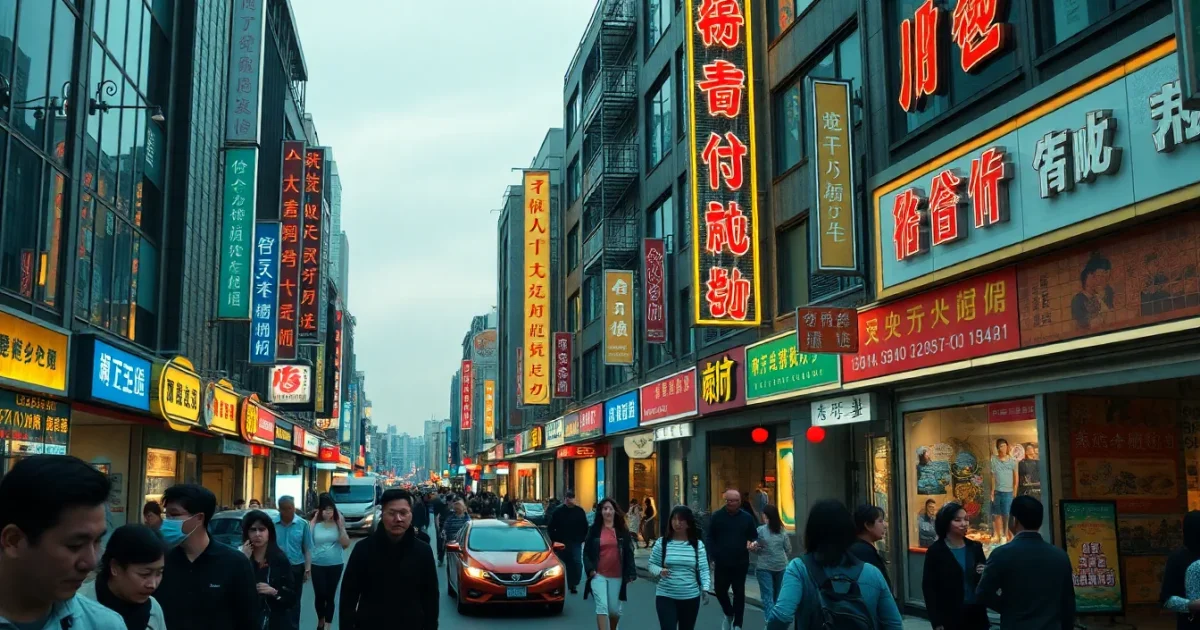
Chengdu is China's largest city in the southwest, a sprawling metropolis of 16+ million where ancient Buddhist temples sit alongside modern tech campuses, and where you're as likely to encounter avant-garde galleries as you are crowded night markets. The city functions as a major cultural and economic hub for Sichuan Province, with a reputation for laid-back locals and serious food culture that distinguishes it from the more buttoned-up pace of Beijing or Shanghai. It's a real working city, not a theme-park version of China.

When to Visit

Chengdu's climate follows a subtropical pattern with four distinct seasons. Spring (March to May) and autumn (September to November) offer the most comfortable temperatures, typically 15–25°C, with lower humidity and clearer skies. Summer brings heat and frequent rain; temperatures regularly exceed 30°C and the air becomes oppressive. Winter (December to February) is mild by northern Chinese standards but cloudy and damp, rarely dropping below freezing but feeling colder than the thermometer suggests. The city experiences persistent cloud cover year-round—sunlight is a luxury rather than a guarantee.

Chinese New Year (late January or February) causes massive domestic travel surges; book accommodation and transport well ahead if visiting then. October's Golden Week national holiday creates similar crowding. Mid-May through mid-September sees heavy rain and humidity. Most international visitors find October or early November ideal.

Getting There

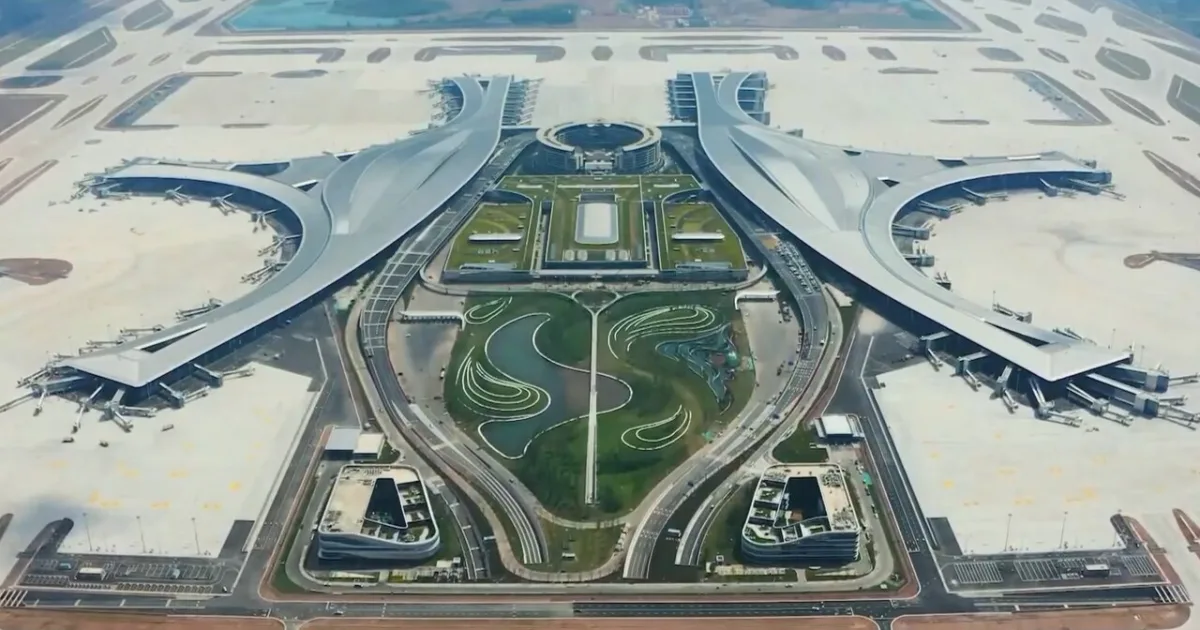
Chengdu Tianfu International Airport (TFU) lies about 40 kilometers northeast of the city center. Direct international flights connect to major Asian hubs including Bangkok, Singapore, Kuala Lumpur, Seoul, and Tokyo, as well as limited direct service to European cities (Munich, London) and occasional North American connections. The airport is modern and well-organized. High-speed rail links from other Chinese cities are equally efficient; Chengdu North Station and Chengdu Station connect to Beijing, Shanghai, and dozens of regional destinations.

What the City Is Known For

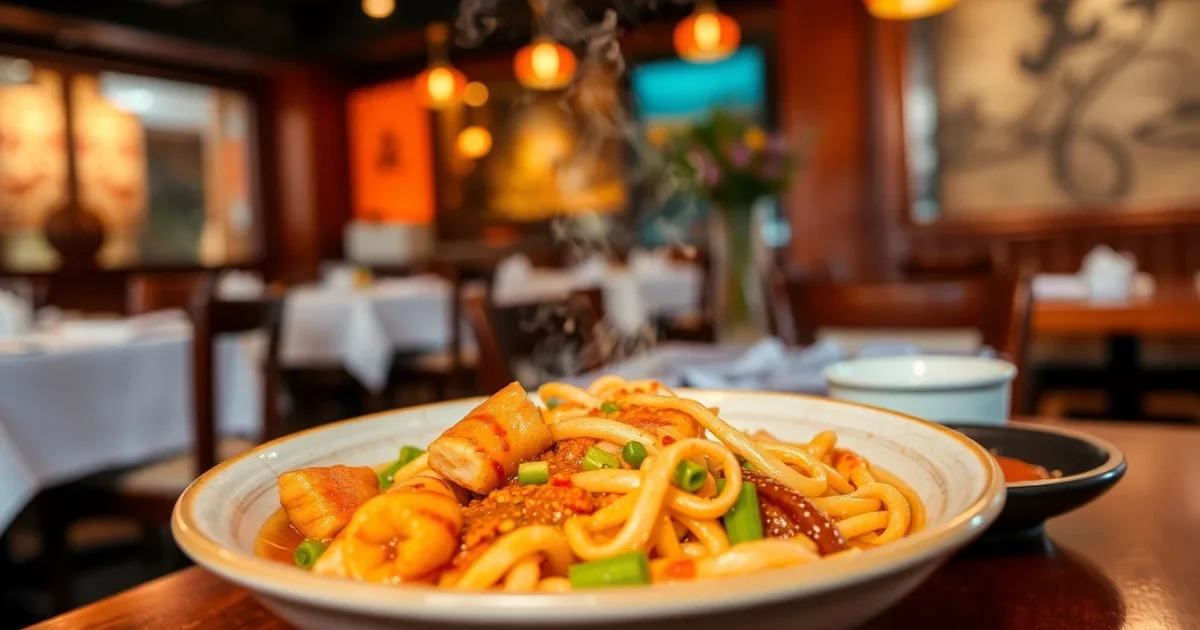
Chengdu built its modern reputation on several distinct elements. The Sichuan panda breeding and research centers—both the main facility in the northern suburbs and the Bifengxia facility two hours outside the city—attract wildlife researchers and casual visitors alike. Hot pot culture here is serious; Chengdu's particular style uses numbing Sichuan peppercorns (huajiao) and fermented bean pastes that define the local palate in ways outsiders often find challenging on first encounter. Kuanzhai Xiangzi, a restored neighborhood of early 20th-century wooden buildings, has become the commercial equivalent of a heritage district—cafes, craft shops, and tea houses occupy former residences. The city hosts one of China's most significant semiconductor and software industries; electronics manufacturing and tech startups form the economic backbone. Finally, the Wenshu Monastery and surrounding temple culture reflect centuries of Buddhist influence in the region, less touristed than Beijing's major temples but architecturally coherent and functioning as genuine religious spaces.

Practical Tips

The currency is Chinese yuan (RMB). Chengdu is almost entirely cashless for residents and travelers alike; Alipay and WeChat Pay dominate all transactions from street food to taxis to hotels. Foreign credit cards now work in major establishments and ATMs, but cash is becoming genuinely difficult to use. The metro system is modern, frequent, and easy to navigate with English signage; a stored-value metro card costs 20 RMB and charges per trip. Didi (the Chinese Uber equivalent) operates throughout the city and costs a fraction of Western ride-sharing. Taxis are cheap and plentiful but drivers rarely speak English; have addresses written in Chinese characters.

Internet Reality

Google, Facebook, Instagram, WhatsApp, X (formerly Twitter), ChatGPT, and most Western web services are blocked by China's Great Firewall throughout the country, including Chengdu. This blockage is comprehensive and applies to all foreign visitors, not specific to this city. If you rely on these services for work or communication, you must arrange a virtual private network (VPN) connection before arriving in China. Purchase and configure a reputable paid VPN service while still outside the country—this requires technical setup beforehand. Free VPN services are unreliable in China. Once inside China, downloading new VPN applications or configuring VPNs becomes significantly harder due to app store restrictions. Domestic Chinese platforms (WeChat, Weibo, Alipay, Douyin) work normally.

Final Word

Chengdu rewards travelers who come prepared for internet isolation, interested in Chinese provincial culture beyond Beijing's political center, and willing to embrace Sichuan food's intense, numbing heat.
📡

Internet reality in China

Google, Facebook, Instagram, WhatsApp, X, ChatGPT, and most Western news sites are blocked. Set up your VPN and test it BEFORE you fly — installing one inside China is much harder.

Found this useful? Share it