SaveClip
← China Travel Guide

Beijing

PEK · Beijing Capital International Airport

Cheapest fares to Beijing

Round trip
¥47,267
cheapest of any date
One way
¥47,267
cheapest of any date
📅 Cheapest by month — Cheapest month: May 2026 ¥26,728〜
2026-05
¥26,728
Search my dates →

Prices are cached samples from Travelpayouts and may differ from live search. Click the button above to find current fares for your dates.

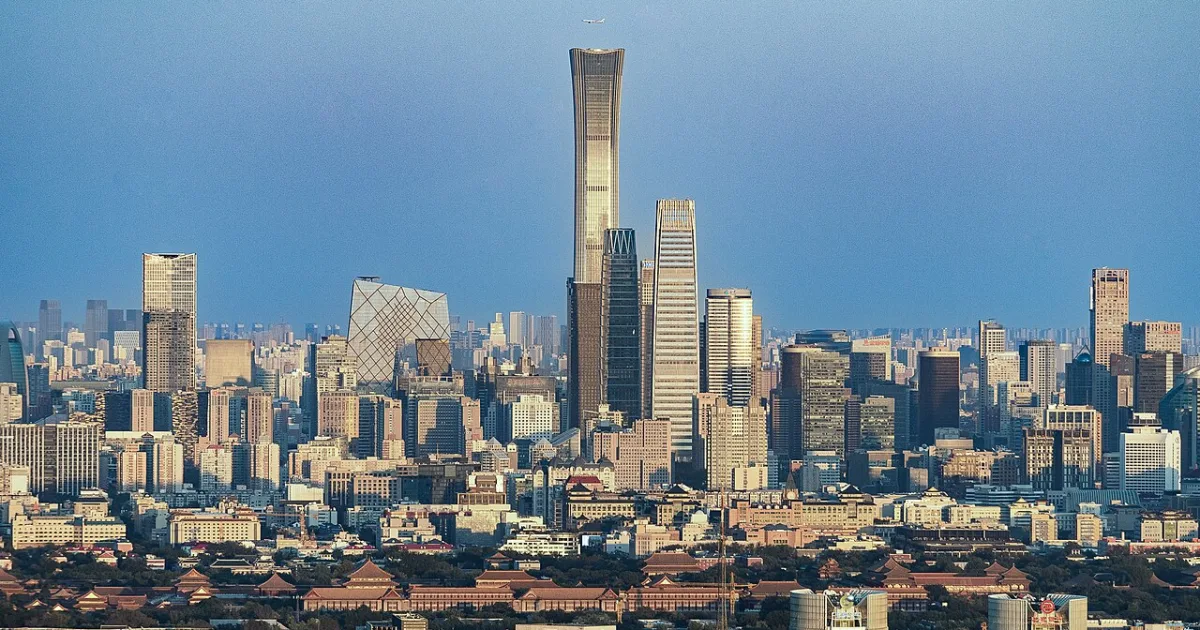
Beijing is China's political and cultural capital, a sprawling megacity where ancient imperial architecture coexists with modern skyscrapers, and where everyday life operates at a scale difficult to grasp until you arrive. The city pulses with energy, innovation, and bureaucratic complexity in equal measure. It is not a relaxed destination, but it is a consequential one.

When to Visit

Beijing has four distinct seasons, and timing matters. Autumn (September to October) offers the most pleasant weather—clear skies, moderate temperatures around 15-20°C (59-68°F), and lower humidity. Spring (April to May) is also good, though sandstorms occasionally reduce visibility. Winter (November to March) brings temperatures as low as -10°C (14°F) and severe air quality issues; many travelers avoid these months. Summer (June to August) is hot, humid, and crowded with domestic tourists. Book accommodations well in advance during September-October and Chinese New Year (late January or February), when the city swells with visitors and prices spike.

Getting There

Beijing Capital International Airport (airport code: PEK) is the main entry point, located about 25 km northeast of the city center. Direct international flights arrive from major Asian hubs (Tokyo, Seoul, Singapore, Bangkok), and regular services operate from London, Paris, Frankfurt, New York, and Los Angeles. The airport express train (¥100) connects to central Beijing in about 20 minutes; taxis and ride-hailing apps also serve the airport, though expect variable pricing and potential language barriers. A second airport, Beijing Daxing, opened in 2019 and handles some international traffic, so confirm which terminal your flight uses.

What the City Is Known For

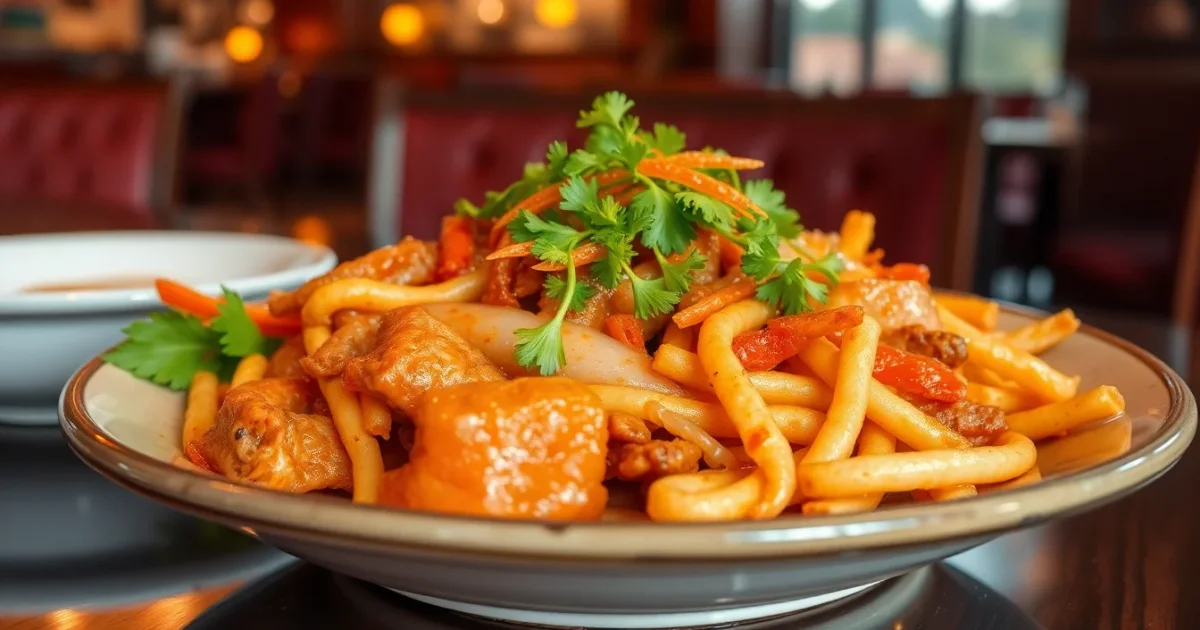
The Great Wall lies within reach of Beijing—restored sections at Badaling and Mutianyu are popular day trips, though crowded on weekends. The Forbidden City (Palace Museum) remains a compelling historical site, though queuing and crowds are intense; arrive early or book timed entry in advance. Peking duck, the city's most famous dish, is eaten at specialized restaurants like Quanjude and Da Dong; quality varies significantly by location and time of day. The hutong neighborhoods—old alleyways around the Second Ring Road—preserve something of old Beijing's texture, though gentrification accelerates yearly. Beijing is also China's tech and finance hub; the Zhongguancun area concentrates startups and research institutions, reflecting the city's function as an innovation center.

Practical Tips

The currency is the Chinese Yuan (RMB). Carry some cash, but understand that payment has become almost entirely cashless. Alipay and WeChat Pay dominate; both work with foreign cards if registered, though the process can be slow. Major hotels and some tourist restaurants accept foreign credit cards directly, but this remains inconsistent. The subway system is efficient, cheap, and English-signage is adequate; a transport card (purchased at any station) simplifies repeated trips. Taxis are plentiful but drivers often do not speak English; Didi (the Chinese Uber equivalent) works well if you can navigate the Chinese interface or ask hotel staff to book for you. English proficiency is lower in Beijing than in Shanghai or tourist zones; translation apps help, though they have limitations.

Internet Reality

This is critical: Google, Facebook, Instagram, WhatsApp, X (formerly Twitter), ChatGPT, and the vast majority of Western websites and services are blocked in China via the Great Firewall. This blockage applies city-wide and is not specific to Beijing. If you rely on Gmail, Google Maps, or social media, you will lose access immediately upon arrival. Configure a reliable VPN (virtual private network) before you leave your home country; do not assume you can set one up once you land. VPN stability can be unpredictable, and speeds are often slow. Many travelers use VPNs to maintain communication with family and access work email, but usage is technically against Chinese law, though enforcement against tourists is rare. Domestic alternatives exist—WeChat is ubiquitous for messaging and payments, Baidu Maps replaces Google, and Weibo functions as social media—but the transition is steep. Plan for reduced connectivity to the Western internet and adjust expectations accordingly.

One-Line Summary

Beijing suits travelers who want to understand China's political and cultural weight, tolerate complexity, and do not require constant access to Western internet services.

Direct flights from Japan to Beijing

From Airline From
CTS Sapporo (New Chitose) Air China (CA) Search →
CTS Sapporo (New Chitose) All Nippon Airways (NH)
HND Tokyo (Haneda) Air China (CA) ¥53,836〜 Search →
HND Tokyo (Haneda) Japan Airlines (JL)
HND Tokyo (Haneda) China Eastern Airlines (MU)
HND Tokyo (Haneda) All Nippon Airways (NH)
KIX Osaka (Kansai) Air China (CA) ¥47,267〜 Search →
KIX Osaka (Kansai) All Nippon Airways (NH)
NGO Nagoya (Chubu) Air China (CA) ¥70,094〜 Search →
NGO Nagoya (Chubu) Etihad Airways (EY)
NGO Nagoya (Chubu) All Nippon Airways (NH)
NRT Tokyo (Narita) Air China (CA) ¥48,870〜 Search →
NRT Tokyo (Narita) China Southern Airlines (CZ)
NRT Tokyo (Narita) Japan Airlines (JL)
NRT Tokyo (Narita) China Eastern Airlines (MU)
NRT Tokyo (Narita) All Nippon Airways (NH)
NRT Tokyo (Narita) Pakistan International Airlines (PK)
OKA Okinawa (Naha) Air China (CA) ¥67,522〜 Search →
OKA Okinawa (Naha) All Nippon Airways (NH)
📡

Internet reality in China

Google, Facebook, Instagram, WhatsApp, X, ChatGPT, and most Western news sites are blocked. Set up your VPN and test it BEFORE you fly — installing one inside China is much harder.

Found this useful? Share it